





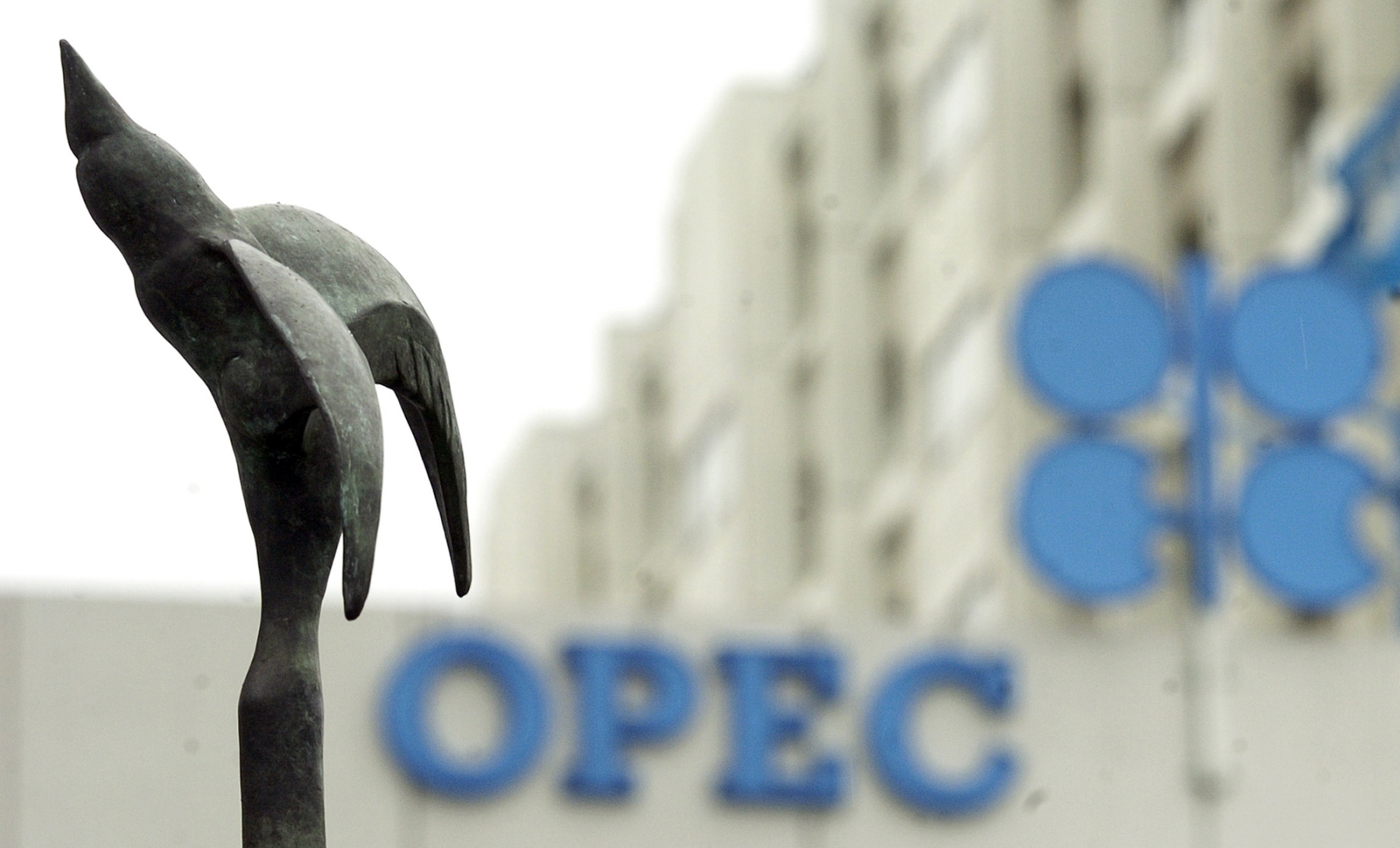
Eight OPEC+ member countries have agreed to begin a phased unwinding of their voluntary oil production cuts starting in April 2026, citing a stable global economic outlook and robust market fundamentals, according to a press release.
During a virtual meeting held on March 1, 2026, the coalition, comprising Saudi Arabia, Russia, Iraq, the UAE, Kuwait, Kazakhstan, Algeria, and Oman, decided to implement a production increase of 206,000 barrels per day (bbl/d). This move marks the initial restoration of the 1.65 million barrels per day (mmbbl/d) in additional voluntary adjustments first introduced in April 2023.
The alliance stated that the restoration of output is designed to balance market stability against evolving global demand. This supply adjustment arrives as the group monitors significant geopolitical tensions, including recent developments involving Iran that have impacted regional shipping and supply security.
OPEC+ (the Organization of the Petroleum Exporting Countries and its allies) functions as a 23-nation technical and political alliance aimed at regulating the global oil supply to manage price volatility. While the broader group sets baseline targets, this specific voluntary group of eight producers holds the mandate to adjust production more fluidly in response to immediate market shifts.
The group emphasized that this phased return is not set in stone; the restoration of the 1.65 mmbbl/d can be adjusted, paused, or reversed based on real-time market conditions. Furthermore, the 2.2 mmbbl/d in separate voluntary adjustments initiated in November 2023 remains under review and could also be rolled back if oversupply risks emerge.
This decision follows a strategic pause in late 2025, where OPEC+ opted to hold production steady through the first quarter of 2026 to navigate seasonal demand lows and market uncertainty. The shift to an April increase signals growing confidence among the Big Eight that the global market can now absorb additional barrels without triggering a price collapse.
