





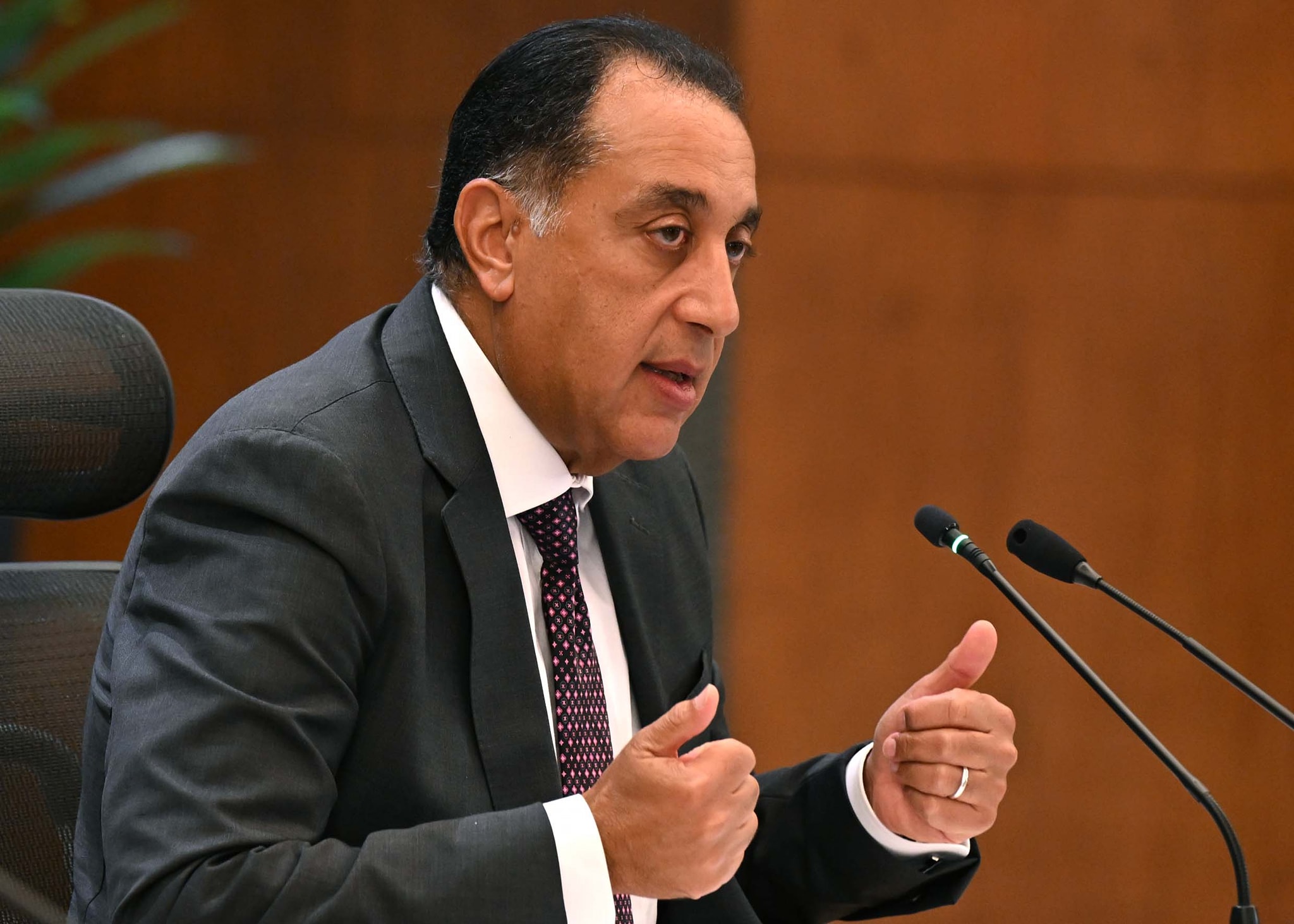
Prime Minister Mostafa Madbouly said the recent fuel price increases were a preemptive step to safeguard economic activity and ensure the continued availability of energy supplies, as global oil prices have risen sharply.
Speaking during a Cabinet meeting, Madbouly explained that the decision came after a significant jump in global crude prices, noting that the government still bears a substantial portion of the increased costs of petroleum products.
Oil prices climbed above $119 per barrel on March 9, the highest level since mid‑2022, as supply cuts by Saudi Arabia and other producers fueled concerns over major disruptions to global markets. By midday on March 10, prices had retreated to $92. Egypt’s 2025/2026 budget, however, is based on an assumed oil price of about $75 per barrel.
“Maintaining prices at previous levels would have resulted in massive losses for the state, as the government would have had to absorb the full difference,” Madbouly said.
On March 10, the Ministry of Petroleum and Mineral Resources (MoPMR) has raised oil prices of a broad range of fuel products -including Diesel- by about 14% to 17%,the first increase this year, following an earlier hike of 10.5% to 12.9% in October.
Madbouly added that while Egypt still has strategic petroleum stocks purchased at earlier prices, future supply contracts are linked to the current global market levels, increasing the overall cost burden.
“We are currently facing exceptional circumstances, and countries around the world are taking similar measures,” Madbouly said, adding that the government would review the decisions once global market conditions stabilize.
Meanwhile, Karim Badawi, Minister of Petroleum and Mineral Resources said, “We are committed to providing oil products to all sectors of the state.”
He stressed that maintaining stable energy supplies remains a top priority for the government. This would happen through increasing domestic oil and gas production and accelerating exploration activities to reduce reliance on imports and ease pressure on the state budget.
Currently, Egypt imports about 28% of its gasoline needs and around 45% of diesel, according to the minister.
He added that the government has secured long-term supply contracts from multiple international sources, ranging from six months to 18 months, to ensure stable fuel supplies to the local market despite regional challenges affecting global shipping routes.
Badawi also pointed to the sharp rise in energy costs in recent months, noting that Brent crude prices increased by around 30% between February and March, while gasoline prices rose by about 25% and diesel costs surged by 74-80%.
Despite the price increases, the government continues to shoulder significant subsidies. Badawi noted that butane gas cylinders alone still cost the government about EGP 30 billion annually.
Badawi also noted that gas imports through pipelines from neighboring countries represent only limited volumes, however, the gas infrastructure has strengthened the country’s ability to meet domestic demand. He pointed to four floating storage and regasification units (FSRUs) currently operating in Egypt with a combined capacity of 2.75 billion cubic feet per day (bcf/d).
