





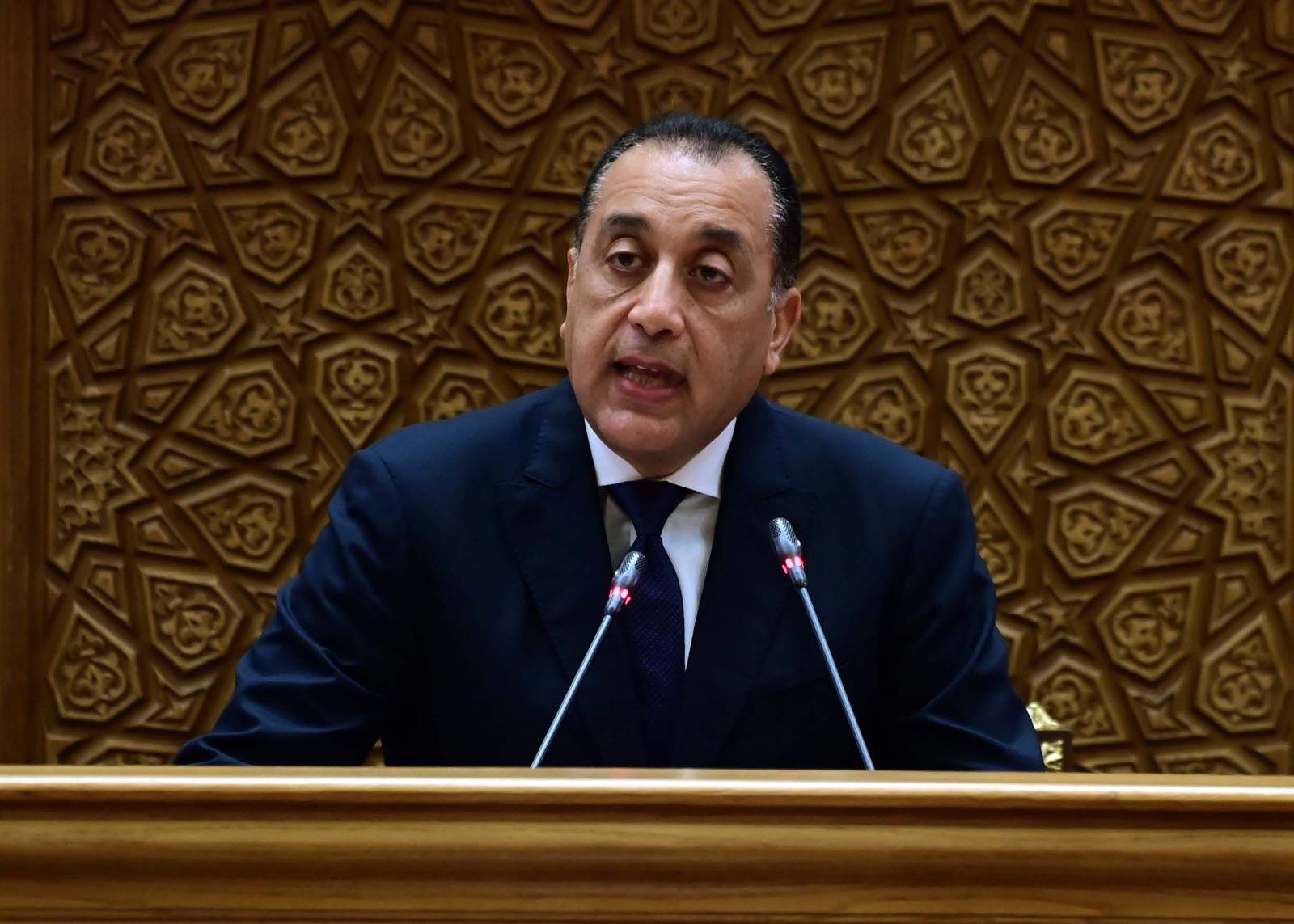
The energy consumption rationalization plan is still under evaluation to assess the savings it has achieved. Initial indicators suggest that during the first week, it resulted in savings of 18,000 megawatt-hours (MWh) of electricity, 3.5 million cubic meters (mmcm) of fuel, 4,700 MWh from remote work, and 980,000 cubic meters of fuel, Prime Minister Mostafa Madbouy noted in his speech before the Parliament on April 21, 2026.
The prime minister outlined Egypt’s rationalization plans and energy strategy amid geopolitical unrest caused by the war between the US and Iran, which, in turn, impacts the global energy supply chain.
Regarding energy consumption rationalization, Madbouly noted that the most significant impact of the current war has been on the energy sector. We have been affected by the global rise in energy prices, which prompted a decision to increase fuel prices to ensure our ability to meet local needs and prevent production from halting in factories. For example, the cost of imported natural gas witnessed an unprecedented surge; the monthly bill jumped from $560 million to about $1.65 billion, an increase of $1.1 billion per month to secure electricity and industrial requirements.
Madbouly added that Egypt is accelerating its transition toward a balanced energy mix, with plans to integrate 2,500 megawatts (MW) of renewable capacity and 920 MW of battery storage into the unified grid within the 2026 calendar year.
Over the past years, the government has systematically expanded its clean energy footprint, yielding an unprecedented increase in renewable electricity generation capacity from 5,934 MW in 2020 to 9,366 MW in 2025. The Prime Minister emphasized that the state targets a 45% share for renewable sources in the total energy mix by 2028. This strategic pivot is expected to result in annual savings of up to $7 billion, currently allocated for imported natural gas required for conventional power plants. To facilitate this integration, the government has allocated approximately EGP 200 billion for upgrading and enhancing the efficiency of the national electricity grid to accommodate fluctuating renewable loads.
In the hydrocarbons sector, the government is intensifying efforts to maximize crude oil and natural gas discoveries. Madbouly reported that the government is committed to settling all outstanding dues to international oil companies (IOCs) by June 2026. This follow-up on the reduction of debt—which stood at $6.1 billion in June 2024—is coupled with a commitment to regular monthly payments for new production to maintain investor confidence.
Madbouly concluded by highlighting that these energy reforms have bolstered Egypt’s broader economic indicators. Fundamental structural reforms helped lower the inflation rate from a peak of 38% to 11.9% in January 2026. Furthermore, Egypt’s net international reserves reached a record high of $52.8 billion at the end of March 2026, providing the necessary fiscal liquidity to maintain national energy security and support the ongoing “Great Recalibration” of the sector.
