





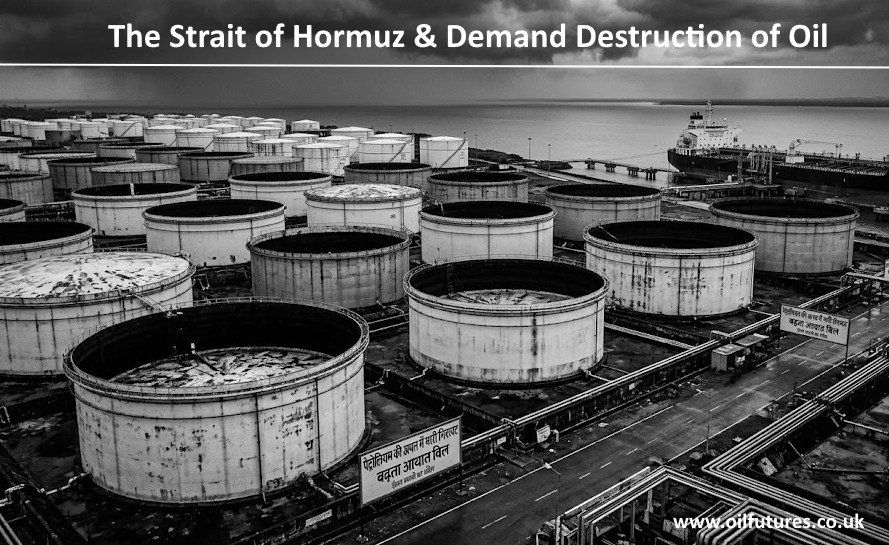

The price of oil surged by 3% to 5% mid-week as a military stand-off between the United States and Iran led to a fresh flare-up despite an existing temporary ceasefire. Prices for the main benchmarks, West Texas Intermediate and Brent, had been on a downward trajectory since the previous week.
This initial drop came in response to optimistic declarations from the Trump administration regarding a potential diplomatic deal. However, the deal failed to materialize, complicating the landscape for both global oil producers and consumers, particularly after Iran explicitly denied the American narrative.

The military conflict in the region follows a well-documented tactical pattern:
The latest wave of hostilities was triggered when the U.S. Navy disabled an Iranian tanker that refused to comply with maritime redirection orders. Following this maritime interception, Iran targeted installations inside Kuwait and Bahrain, drawing sharp, unified condemnation from Gulf Arab states. While the U.S. Central Command confirmed that its air defense networks successfully intercepted the vast majority of incoming drones and missiles, Tehran maintained that falling debris from those very interceptions caused the widespread infrastructural damage.
By Thursday and Friday, the initial weekly oil gains completely evaporated. Brent crude fell over 2% to close the week at $93.09 per barrel, while WTI dropped 2.69% to settle at $90.54 per barrel. Despite apocalyptic forecasts from some market commentators warning of an immediate jump past $120, energy prices have resisted exponential growth, stabilizing firmly in the lower $90 range.

Investment bankers and commodity analysts attribute this unexpected price stability to severe global demand destruction. According to Goldman Sachs, global oil demand has eroded by 4 to 5 million barrels per day. This reduction is heavily tied to economic deceleration in China, where crude consumption has hit a 10-year low and refinery utilization rates remain deeply depressed. This trend is mirrored in China’s official Manufacturing Purchasing Managers’ Index, which slipped from 50.3% to exactly 50% in May, indicating stagnant factory activity.
While roughly 20% of global petroleum transit relies on the Strait of Hormuz, net energy importers in Asia are disproportionately vulnerable to these disruptions. Nations like South Korea, Japan, and Thailand have been forced to draw heavily from their strategic petroleum reserves while simultaneously battling severe currency depreciation against the U.S. dollar.
 |
| Data Source: World Bank Commodity Price Data (The Pink Sheet), 2026 |
The fuel bill is only one facet of India’s fiscal dilemma. With the critical monsoon planting season underway, rural farmers require heavily subsidized chemical fertilizers. Because the natural gas shortages caused by the Middle East conflict have sent global fertilizer production costs skyrocketing, New Delhi has been forced to take on immense sovereign debt to sustain agricultural subsidies and protect the domestic food supply.
In Washington, meanwhile, the Trump administration has maintained a highly optimistic public posture. The White House layout suggests that the military engagement will conclude swiftly on American terms, predicting that a definitive victory will cause global fuel prices to collapse to historic lows.
Energy analysts warn that if Washington forces a total capitulation from Tehran, the resulting flood of cheap crude could trigger a prolonged deflationary spiral, presenting an entirely new economic crisis for the OPEC and global oil producers alike.
In short, the resolution of today’s conflict might simply be the catalyst for the next market collapse—a new crisis waiting at the very tail end of the current one.
