





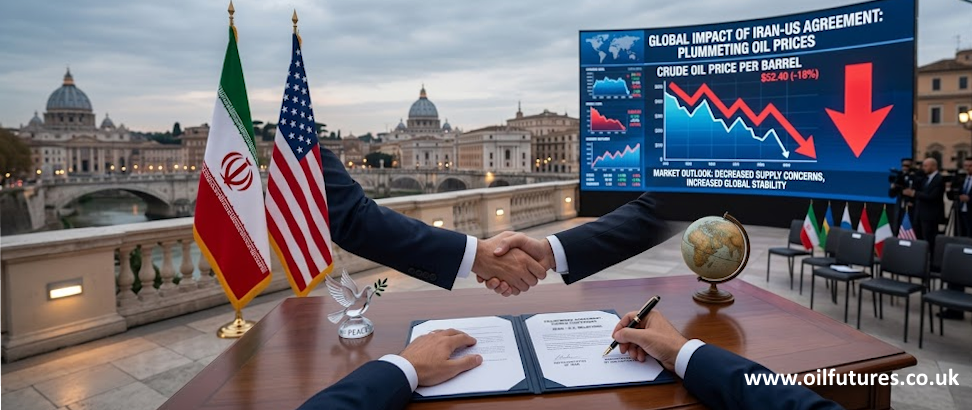

According to these critics, this is neither an ironclad treaty nor a durable path to permanent peace between the long-time rivals, let alone the wider region. Instead, it is a memorandum of understanding forged amid military threats, relentless rhetoric, and mutual insults.
Barring any last-minute obstacles, the deal is scheduled to be formally signed on Friday, June 19, 2026, in Geneva, Switzerland. While President Trump and Vice President JD Vance confirmed that the preliminary memorandum of understanding has already been digitally signed, serious structural challenges have yet to be resolved.
The primary issue—the status of Iran’s highly enriched uranium stockpile and its future enrichment capabilities—remains unsettled. The United States and Iran have only agreed to discuss a resolution within a 60-day ceasefire window, with no guarantee that Iran will surrender its enriched uranium.
This issue remains highly volatile following months of conflict sparked by joint US-Israeli airstrikes on February 28, 2026, which killed Supreme Leader Ali Khamenei and initiated a destructive regional war. In the last few days, both sides have been leaking conflicting information, and it remains unclear what exactly will be negotiated regarding this issue after June 19.
Furthermore, reporting indicates that the draft calls for the release of up to $25 billion in frozen Iranian assets alongside hundreds of millions in economic reconstruction funds, figures that remain a point of intense domestic contention in the US.

Global energy markets reacted immediately to the breakthrough, with global crude prices plummeting by over 5% following the announcement of the preliminary peace framework. This sharp decline significantly eased intense market anxiety over prolonged supply disruptions, as the conflict had previously driven prices to extreme heights.
Prior to the escalation, international benchmarks traded at around $70 per barrel, but the ensuing regional war and the subsequent blockade of the critical Strait of Hormuz chokepoint squeezed global supplies, causing Brent crude to peak at roughly $120 per barrel. The sudden prospect of diplomatic de-escalation and a formal reopening of the vital maritime shipping corridor triggered a swift, sentiment-driven sell-off across trading desks.

On regional security, President Trump claimed the Strait of Hormuz would be reopened and permanently toll-free, bringing an end to the Iranian naval blockade. In reality, maritime traffic remains complicated by the persistent threat of sea mines, and the long-term regulation of the narrow waterway remains highly contested.
Meanwhile, the Israeli factor also looms large. Israel is not a party to this memorandum and senior Israeli officials have aggressively pushed back, maintaining that the agreement does not bind them and that they will not withdraw from occupied territories in Southern Lebanon. Ongoing regional hostilities and recent missile exchanges continue to cast doubt on a deal meant to end hostilities on all fronts.
The agreement has faced a cold reception within Iran as well. While the top military command has portrayed the framework as a victory, hardliners remain deeply skeptical of any diplomatic sell-out to the United States.
Meanwhile, an implementation ultimatum hangs over the talks. If a final, ironclad nuclear agreement is not reached within the 60-day window, the threat of a resumed military campaign remains a distinct possibility.
Ultimately, this framework is not a finalized contract but a preliminary agreement to negotiate tedious technical details. Neither side arrived at this stage in good faith; rather, it was intense mutual exhaustion and economic devastation that accelerated this unfinished business.
