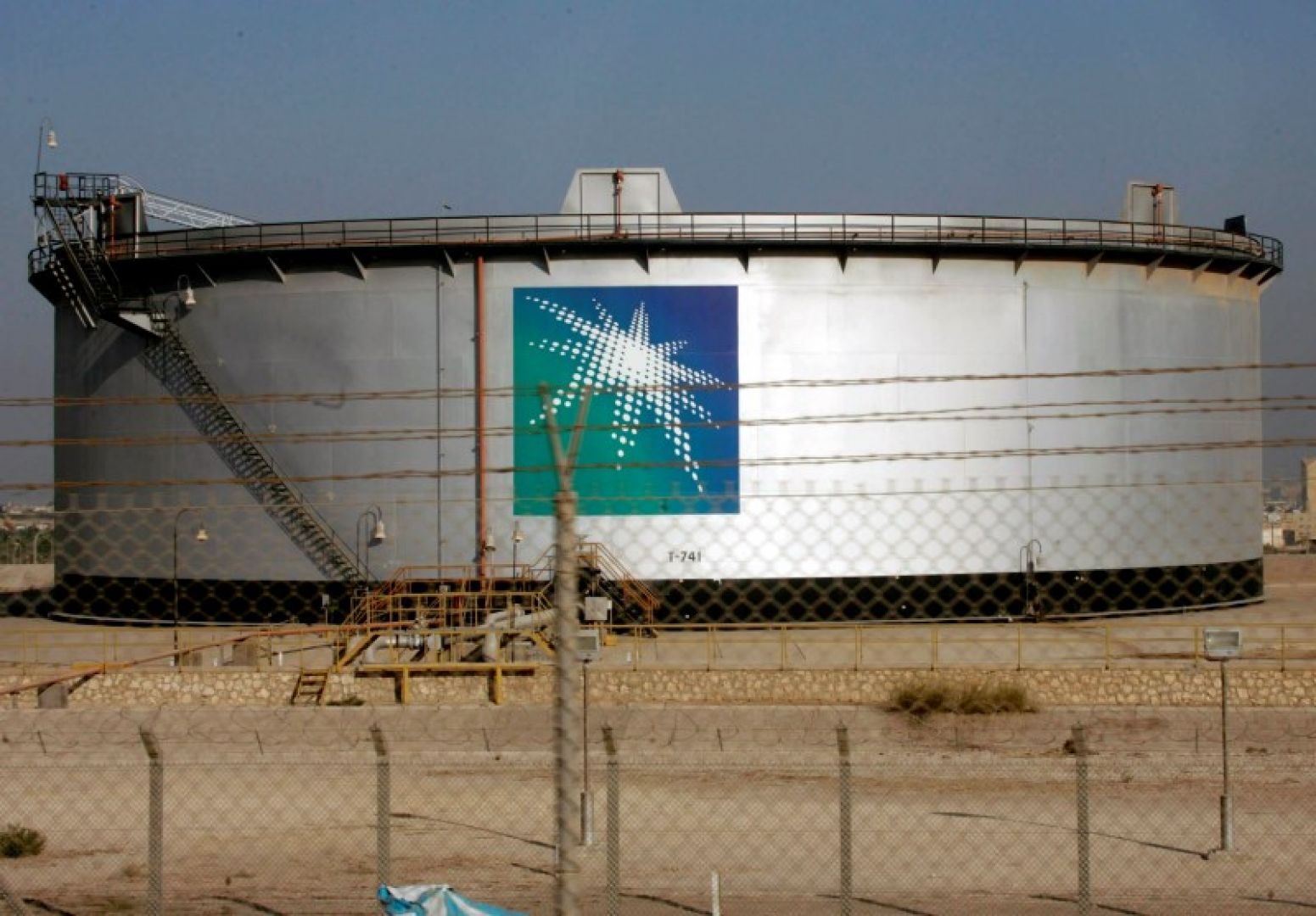
Saudi oil giant Aramco is working to expand its East–West Pipeline capacity from 7 million barrels per day (mmbbl/d) to 10 mmbbl/d and is studying additional export routes to reduce reliance on existing shipping corridors. The engineering work on the projects began in the early days of the US- Iran conflict, Amin Nasser, the company’s CEO of Saudi Aramco, told Al Arabiya Business.
Aramco, officially the Saudi Arabian Oil Company, is Saudi Arabia’s state-controlled national oil firm and one of the world’s largest energy producers.
The company currently uses three main export routes: the Arabian Gulf through the Strait of Hormuz, the Red Sea through Bab el-Mandeb, and the Mediterranean through Sidi Kerir in Egypt. Aramco also operates overseas oil storage facilities in South Korea, Japan, the Netherlands, and Sidi Kerir, and is working with partners to expand its storage capacity, particularly in Asia.
During the interview, his first since the eruption of the US -Iran war, Nasser said that the crisis had disrupted an estimated 3 billion barrels of oil supply since it began, while global inventories were already below their five-year average. Strategic stock releases, reduced seaborne oil imports by China during parts of the crisis, and the East–West Pipeline helped moderate the impact on oil markets, he added.
Nasser also added that global oil demand is expected to increase by around 3 mmbbl/d after the conflict ends, comprising 2 million bbl/d from consumption growth and 1 million bbl/d to replenish inventories depleted during the crisis.
Moreover, he revealed that the company is seeking partnerships with other countries to expand its strategic oil storage capacity as it prepares for a potential recovery in global demand following the Iran war.
The CEO also said Aramco’s capital expenditure plans remained unchanged, with the company maintaining its guidance of $50 billion to $55 billion for 2026. Its gas expansion projects are progressing according to schedule, including the Jafurah project, whose first phase was completed at the end of 2025 and whose second phase is expected to be completed in 2027.
Aramco aims to increase gas production by 80% by 2030 compared with 2021 levels. Nasser said the increase would help replace liquid fuels used in power generation and free up around 1 mmbbl/d of oil for export.
The company is also exploring future gas export opportunities in coordination with Saudi Arabia’s Ministry of Energy, although meeting domestic demand and supporting industrial growth remain its immediate priorities.
Saudi Arabia’s crude oil exports rose 7.9% month on month to 4.451 million barrels per day (mmbbl/d) in August 2026, their highest level since March, despite a decline in production to 6.24 mmbbl/d from 8.135 mmbbl/d in July, according to Joint Organizations Data Initiative (JODI) data reported by Reuters.
The increase came amid disruptions to regional oil shipments following the US-Israeli war against Iran, with Saudi Arabia using export terminals on both its eastern and western coasts to maintain flows, according to UBS analyst Giovanni Staunovo. Saudi crude processing at domestic refineries fell to 2.297 mmbbl/d in August from 2.478 mmbbl/d a month earlier.
The post Aramco to Expand East-West Pipeline Capacity to 10 Million bpd, Studies New Export Routes first appeared on Egypt Oil & Gas.