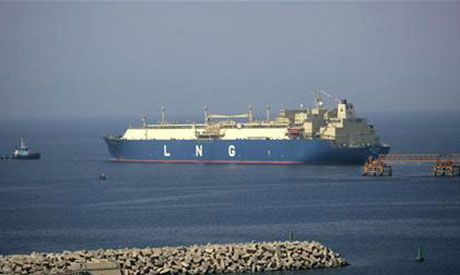
Asian liquified natural gas (LNG) demand is estimated to fall by 3% to 10% from 2025 levels, with Northeast Asia accounting for most of the decline, before recovering in 2027, according to analysts reported by Reuters.
The decline would mark a second consecutive annual drop in Asian LNG demand, as the US-Israeli war on Iran, begun on February 28, 2026, disrupted energy supplies across the Middle East and affected LNG exports from the Gulf, particularly Qatar, and pushed prices to multi-year highs.
Rystad Energy analyst Lu Ming Pang said Northeast Asian markets had reduced LNG consumption by relying more on coal and available nuclear power, depending on their individual power mixes. Lower average temperatures in several months this year also reduced power-generation needs, with South Korea and Japan recording year-on-year declines in power demand and generation.
China is expected to account for a significant share of the decline, with LNG demand forecast to fall by 6.1 million tons (mmt) year-on-year (YoY), according to Kpler. High gas prices have reduced industrial consumption, forcing energy-intensive sectors such as ceramics, methanol, and glass to cut production or shut plants.
China’s LNG demand has also been reduced by rapid inventory drawdowns, rising domestic gas production, and higher pipeline imports, Kpler analyst Nelson Xiong said.
Asian LNG demand had already declined in 2025 but was initially expected to recover by 4% to 7% in 2026, supported by lower prices and rising supplies from the US and Qatar.
However, the conflict that began on February 28 disrupted Gulf LNG supplies. QatarEnergy declared force majeure and suspended exports after Iranian attacks knocked out 17% of Qatar’s LNG export capacity.
Despite the supply disruptions and higher prices, demand in India and Bangladesh has remained relatively resilient, with both countries continuing to secure spot LNG cargoes, according to LSEG analyst Shruti Shah.
In India, LNG demand is expected to remain supported mainly by the city gas distribution and fertilizer sectors, which together account for around 70% of the country’s LNG imports. In Bangladesh, baseload power-generation needs are expected to continue supporting spot LNG procurement.
The post Asian LNG Demand to Fall for Second Year Amid Gulf Supply Disruptions first appeared on Egypt Oil & Gas.