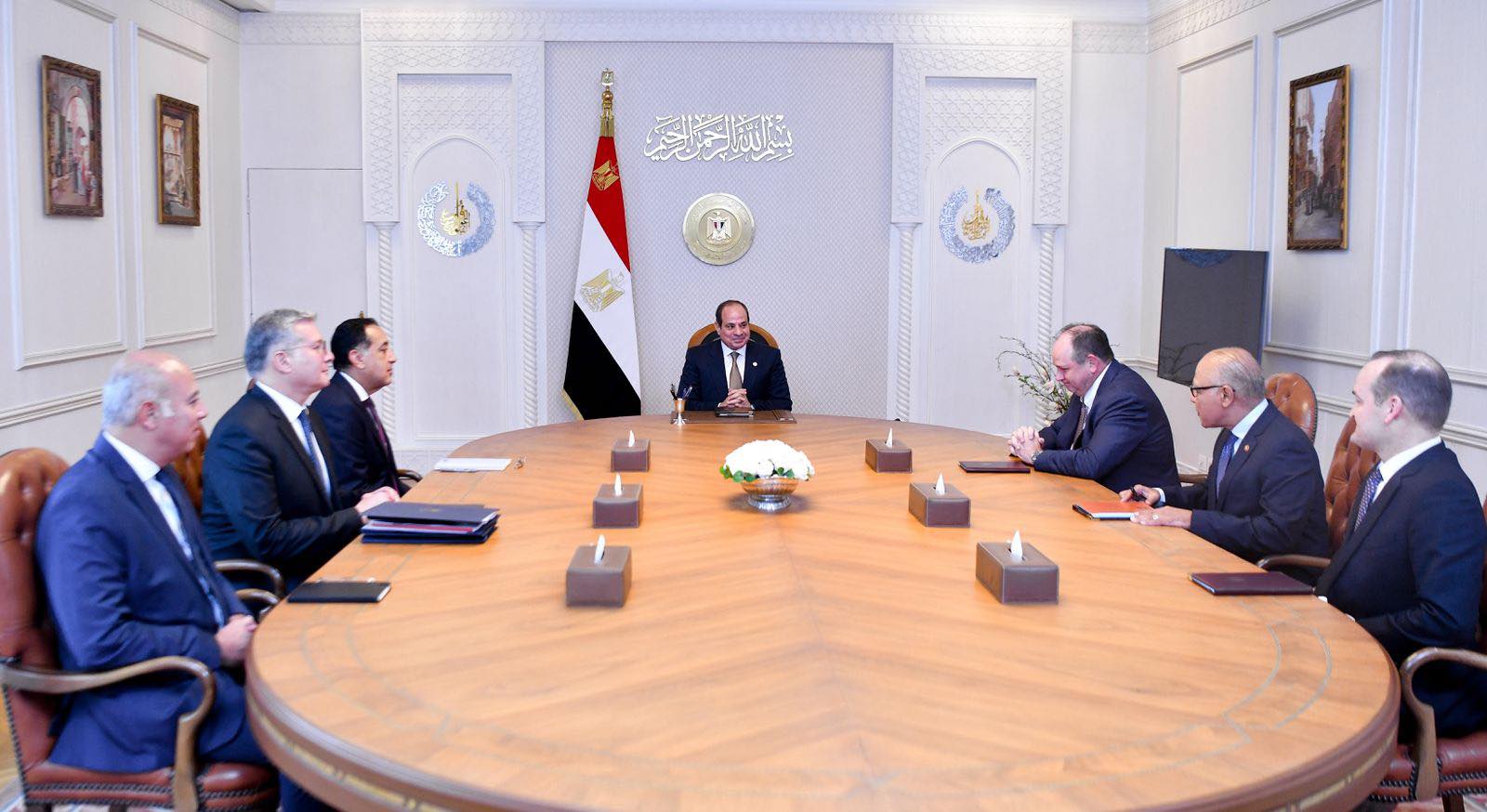
In light of the rapidly evolving military developments in the region and the subsequent sharp spikes in energy prices and global market fluctuations, the Egyptian government is closely and continuously monitoring the situation through full coordination between the Central Bank, various ministries, and relevant authorities, noted a statement by the cabinet.
The government is securing national energy requirements through daily monitoring of supply schedules and ongoing contracts of petroleum products, in addition to leveraging previously concluded contractual arrangements and price hedging mechanisms that cover a significant portion of imports, to mitigate the impact of global price increases.
Oil prices climbed above $119 per barrel on March 9—the highest level since mid‑2022—as supply cuts by Saudi Arabia and other producers fueled concerns over major disruptions to global markets. By midday on March 10, prices had retreated to $92. Egypt’s 2025/2026 budget, however, is based on an assumed oil price of about $75 per barrel.
Furthermore, the cabinet noted that strategic coordination with international energy partners remains a priority to maintain a steady flow of supplies and accelerate domestic production rates amid the current regional tensions.
Prime Minister Mostafa Madbouly has mandated a daily monitoring mechanism to track global market trends, with a specific focus on energy pricing and international capital flows. This proactive framework is designed to safeguard the national economy, ensure market stability, and guarantee the uninterrupted supply of energy necessary to sustain domestic economic activity.
Additionally, the government and the Central Bank of Egypt (CBE) are coordinating to bolster foreign exchange reserves. Also, the government has affirmed the immediate implementation of expenditure rationalization across all state entities and affiliated agencies. This directive reflects the administration’s commitment to bearing its share of the current phase’s economic burdens. In parallel with broader fiscal measures, the government remains dedicated to ensuring that the social dimension is prioritized, shielding vulnerable segments through targeted policy interventions, noted the statement.
Within this framework, the government has mandated immediate rationalization measures for state entities and energy-intensive industries to curb fuel and electricity consumption. Key initiatives include auditing operations reliant on diesel, fuel oil (mazut), and gasoline, with workflows recalibrated to reduce usage while maintaining essential public services.
Governors are required to conduct daily inspections to enforce electricity-saving protocols. Oversight covers street lighting in public squares and major roads, as well as billboard and commercial signage, ensuring strict compliance with national guidelines. Violations will trigger immediate punitive measures, reinforcing the integrity of the state’s energy-saving mandate.
Despite proactive state measures to absorb a significant portion of escalating energy costs, the sheer magnitude of global market volatility has made it unsustainable for state institutions and financing bodies to bear these surges in full. This fiscal reality necessitated the decision to reprice select petroleum products.
The Ministry of Petroleum and Mineral Resources has on the dawn of March 10, raised prices of a broad range of fuel products -including Diesel- by about 14% to 17%,the first increase this year, following an earlier hike of 10.5% to 12.9% in October.
“In tandem with these adjustments, energy pricing policies will remain governed by a balanced framework that prioritizes the social dimension. The state is committed to absorbing a significant portion of the fiscal gap between actual production costs and domestic retail prices for essential goods and services. By maintaining this structural subsidy, the government aims to minimize the impact of global price volatility on the public and ensure the continued stability of living conditions amid external economic pressures.” the cabinet said.
In conclusion, the government underscores that these measures are temporary, designed specifically to navigate the current extraordinary volatility in global energy markets. The overarching objective remains the stabilization of the domestic market and the mitigation of economic pressures on both the public and industrial sectors
Source link