





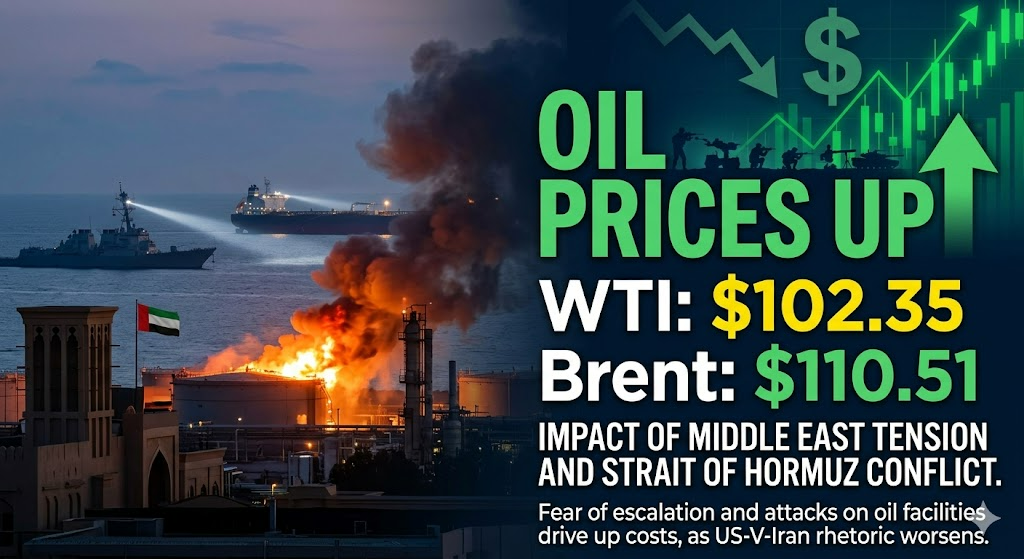

The geopolitical situation in the Persian Gulf has reached a fever pitch following President Trump’s sudden launch of Project Freedom, an initiative intended to break the blockade of the Strait of Hormuz and release hundreds of trapped international vessels. Since the operation began, rhetoric between Washington and Tehran has escalated into direct kinetic engagement.
In apparent retaliation, the IRGC pivoted toward a softer target: the United Arab Emirates. Oil facilities in the UAE were targeted by a barrage of drones and missiles. While the majority were intercepted, at least one strike caused significant damage to a refining plant. This aggression drew swift international condemnation, including from Gulf neighbors and Pakistan, which traditionally acts as a neutral intermediary for Iran.
By Tuesday afternoon, the UAE was hit by a second wave of Iranian drones and missiles. Simultaneously, a major shopping mall in western Tehran caught fire and suffered extensive damage, though the cause remains unconfirmed. The UAE has vowed to respond to these attacks but has not specified its intended methods. This follows recent accusations from an Iranian lawmaker that the UAE participated in bombing raids against Iran prior to the previous ceasefire.
The logistical challenge of clearing the maritime backlog in the Strait remains immense, and the U.S. Navy is currently bearing the full burden of the mission. Frustrated by a lack of international support, President Trump has threatened to reduce U.S. troop presence in Germany, Spain, and Italy as a penalty for their perceived lack of reciprocity. While no final decision has been made, the threat has raised alarms regarding European security. Military analysts remain uncertain of the administration’s next steps, as the President continues to issue contradictory signals to maintain strategic ambiguity.

Despite the volatility, the oil markets have remained surprisingly resilient. As of 17:00 GMT on Tuesday, WTI stood at $102.35 and Brent at $110.51. While prices have ticked upward due to falling U.S. inventories and war fears, the spike has not been exponential. Traders appear to be betting that global supply can currently absorb the potential for prolonged bottlenecks in the Strait.
However, the calculus is shifting rapidly. The latest intelligence suggests that the conflict is no longer confined to the Strait of Hormuz but is evolving into a broader shadow war. Reports of cyberattacks on Iranian infrastructure and the mobilization of additional U.S. carrier strike groups indicate that “Project Freedom” may be the opening salvo of a much larger regional realignment.
If the UAE moves from defensive interceptions to offensive sorties alongside U.S. and Israeli assets, the era of limited escalation will be over, potentially forcing global markets to finally price in the reality of a full-scale regional war.
