





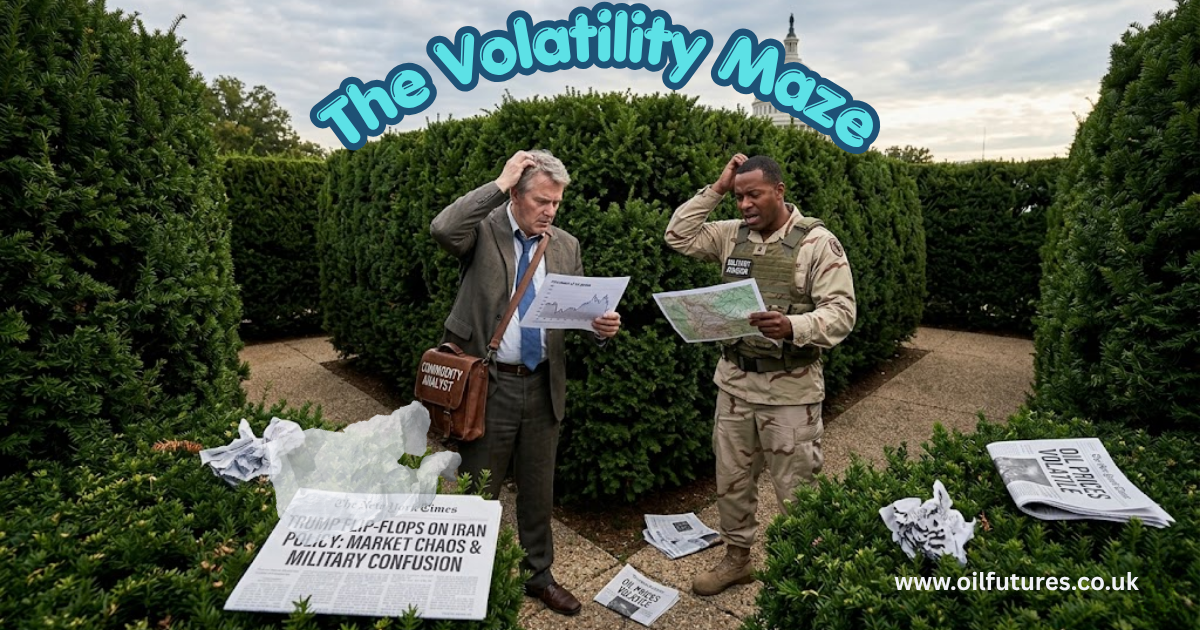

Amidst this economic tension, President Trump took to Truth Social to lambast Iran for what he called decades of “delay tactics.” In a characteristic outburst, he accused the Iranian leadership of manipulating past administrations, claiming they hit “pay dirt” under Barack Obama and benefited from the perceived weakness of “Sleepy Joe Biden.” Mr Trump asserted that Iran has spent 47 years laughing at the United States while funding roadside bombs and suppressing its own people, but he warned that their laughter is about to end.
This aggressive posturing does little to suggest a deal is imminent. Tehran has dismissed Trump’s threats as mere “dreams,” further stalling negotiations. This stalemate suggests the U.S. might be using diplomatic overtures as a mask for a more decisive military shift. If conventional military targets have indeed been exhausted, the focus could shift toward Iranian infrastructure. Such a move would devastate a civilian population already reeling from a collapsed currency, hyperinflation, and widespread unemployment.
Meanwhile, Iran has redirected its frustration toward its Gulf neighbors, launching drone and missile provocations. While these neighbors have maintained a restrained silence, the constant need to intercept these projectiles is draining their stockpiles of Western-made defense systems, putting immense pressure on the American defense industry.
As President Trump’s patience with what he calls “games” wears thin, the window for a non-kinetic solution is closing. If his optimism finally breaks, a return to direct military confrontation appears inevitable. Should that happen, the brief respite in energy markets will likely vanish, replaced by a prolonged price spike that could dwarf the initial stages of the conflict. President Trump’s evolving fury suggests he is increasingly willing to trade market stability for what he views as a definitive end to Iranian defiance.
