The European Bank for Reconstruction and Development (EBRD) has extended a $65 million construction bridging loan to Egypt’s HAU Energy, a Joint Venture between the bank, Hassan Allam Utilities (HAU) and the asset management firm Meridiam, for the development of a new renewable energy project in Benban, near Aswan.
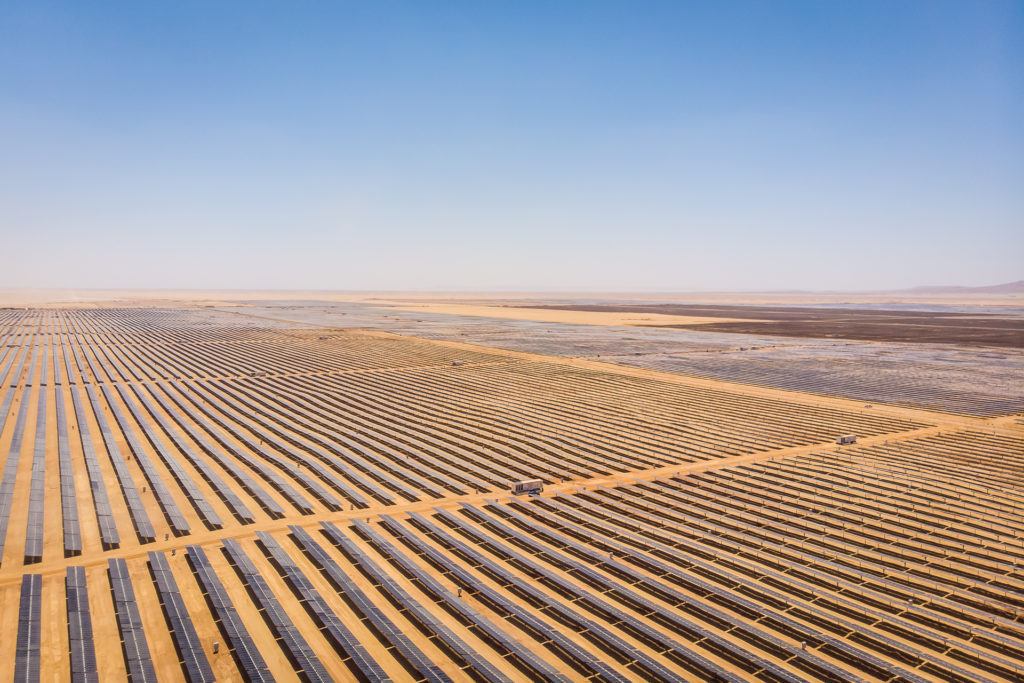
The bridging loan, which is a short-term loan to cover the project expenses till the project’s financing is secured, will be used to finance the construction and installation of a 200 megawatt (MW) solar photovoltaic (PV) plant and a 120 megawatt-hour (MWh) battery energy storage system (BESS) in Benban, near Aswan, according to an EBRD statement.
The project is expected to cut carbon dioxide emissions by up to 280,000 tons annually, marking a significant step in Egypt’s renewable energy expansion. The new facility is designed to strengthen grid stability and reduce reliance on imported fuels, while advancing Egypt’s climate goals under Vision 2030.
In addition to financing, EBRD will provide the project with a technical cooperation package under its Gender and Economic Inclusion Technical Cooperation Framework. This includes two nationally accredited training programs focused on green skills for young jobseekers, as well as tailored initiatives to embed gender equality in HAU’s workforce management and expand women’s access to technical and leadership roles.
Aida Sitdikova, Director of Sustainable Infrastructure for the EBRD in the Middle East and Africa, said: “In the current regional context, this project underscores the EBRD’s commitment to strengthening Egypt’s energy security by advancing affordable, clean energy and storage solutions. As the country seeks to diversify its energy mix, reduce reliance on imported fuels and enhance resilience to external shocks, we are extending our partnership with Meridiam and HAU, whose commitment to high standards is instrumental in delivering projects of such impact.”
Hassan Allam Utilities’ CEO, Dalia Wahba, stressed that the integration of solar and battery storage represents a milestone in enhancing grid resilience and enabling greater reliance on renewable energy.
Since 2012, the EBRD has invested €14.6 billion in 225 projects across the Egyptian governorates.
Source link