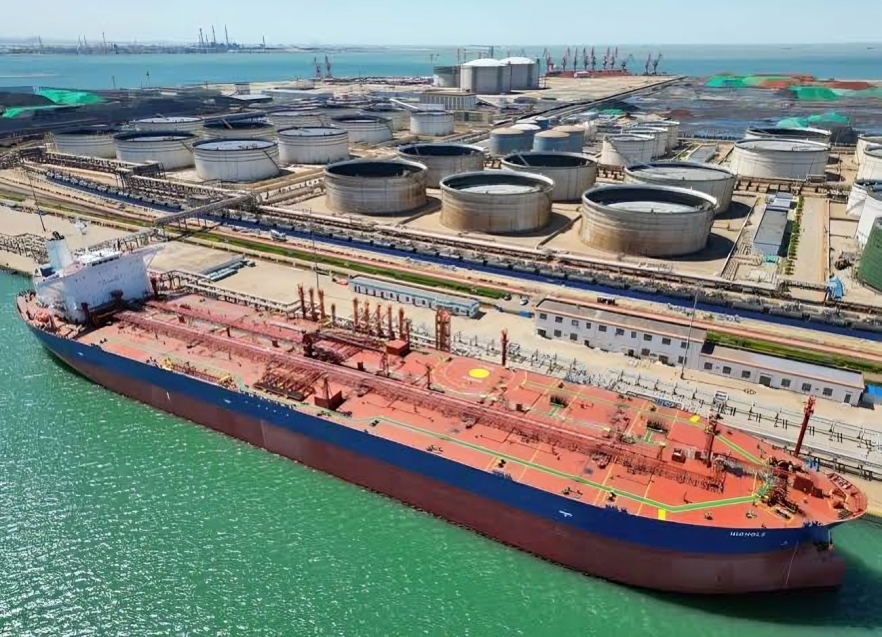
Middle East Gulf crude and condensate exports rose sharply during the first half (H1) of July, reaching their highest level since before the outbreak of the Iran war in late February, supported by a temporary easing of tensions between the US and Iran, according to shipping data from Kpler and Vortexa, reported by Reuters.
Crude and condensate exports from Saudi Arabia, the UAE, Iraq, Kuwait and Iran increased by about 16% from June’s daily average to 12 million barrels per day (mmbbl/d) during H1 of July, according to Kpler. Vortexa estimated exports at an even higher 13.06 mmbbl/d over the same period.
Saudi Arabia, Iran and Iraq drove the increase in exports, Kpler said. Vortexa estimated that Iraq recorded the largest month-on-month increase, while exports from the UAE eased from the record levels seen in June.
The increase in Gulf exports contributed to lower oil prices as supply concerns eased following a mid-June interim agreement between the United States and Iran to reopen the Strait of Hormuz and pursue broader negotiations aimed at ending the conflict.
However, the temporary agreement collapsed in early July amid disagreements over the administration of the strategic waterway.
Shipping activity through the Strait of Hormuz has since slowed as hostilities intensified. Shipping data showed that commodity tanker transits fell to just three vessels on Thursday, marking the lowest daily total since May.
“We’re seeing a slowdown in activity, which means that countries will have to reduce output, which decreases the amount of crude that will be shipped,” Kpler analyst Johannes Rauball said.
Despite the recovery in exports during H1 of July, regional crude and condensate shipments remained around 32% below the pre-war peak of 17.6 mmbbl/d recorded in February.
Meanwhile, Reuters reported that Iran has instructed Yemen’s Houthis to prepare to disrupt shipping through the Red Sea if the United States targets Iranian energy infrastructure, potentially adding a new risk to global oil supplies.
Saudi Arabia has continued to redirect the majority of its crude exports through its Red Sea export terminal at Yanbu. According to Kpler, 75% of the Kingdom’s 5.29 mmbbl/d of crude and condensate exports during the first half of July were shipped from Yanbu.
Source link